
The Thrill of Risk and Reward
Casino games are designed to engage players by tapping into the exhilarating thrill brought on by the uncertainty of risk and reward. This dynamic interaction stimulates the brain’s reward pathways, leading to the release of dopamine, a neurotransmitter associated with pleasure and excitement. For many participants, the allure of potential winnings enhances this thrill, resulting in an adrenaline rush that can become addictive. In fact, many players seek platforms that offer quick payouts, such as neosurf casino instant withdrawal , as the anticipation of a win often overshadows the understanding of the actual odds, distorting players’ perceptions of risk and encouraging them to engage in gambles they would typically avoid in everyday situations.
The casino environment amplifies this thrill. Bright lights, energetic sounds, and eye-catching colors work together to create a sensory overload that keeps players engaged. This meticulously designed atmosphere can obscure the inherent risks involved, allowing individuals to forget about the possibility of loss momentarily. As players become engrossed in the experience, their focus shifts from the statistical probabilities of the game to the immediate gratification of a win, reinforcing their urge to continue playing despite the lurking risks.
Variable reward schedules play a crucial role in this psychological phenomenon. Unlike fixed rewards, where outcomes are predictable, variable rewards introduce an element of uncertainty that can be more engaging. In a casino setting, players frequently encounter binary outcomes: win or lose. This unpredictability encourages them to persist in their efforts, clinging to the belief that their next attempt could lead to a substantial win. Such behavior is well-documented in behavioral psychology and is a hallmark of gambling addiction, where the anticipation of a win often holds more significance than the actual outcome.
The Role of Social Interaction
Social dynamics significantly shape the psychology of gambling within casinos. Games like poker and blackjack are inherently social, fostering a sense of community among players. This social interaction enhances the overall gaming experience, as individuals often forge connections with fellow participants, leading to feelings of camaraderie and shared excitement. Engaging in these social environments can boost confidence and alleviate anxiety, creating a more enjoyable atmosphere that encourages participation and prolongs the gaming experience.
Furthermore, the presence of other players can influence decision-making at the gaming table. Observing fellow participants’ reactions can lead to social proof, where individuals are inclined to mimic the behaviors of the group. For instance, if a player witnesses others celebrating a win, they may feel compelled to take greater risks, driven by the collective excitement. This shared experience reinforces group dynamics and can heighten emotional investment in the game, prompting individuals to act in ways they might typically avoid in solitary play.
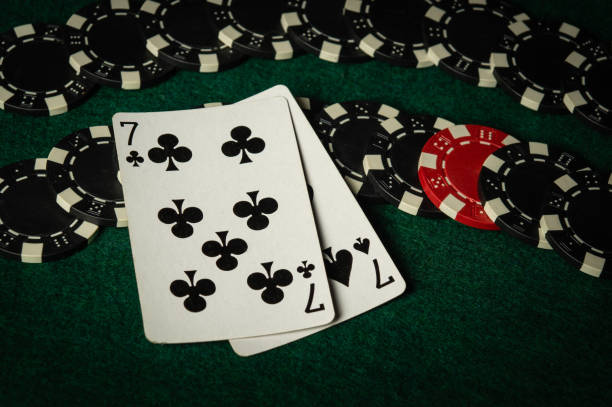
However, these social interactions can yield both positive and negative consequences. While they can enhance enjoyment and engagement, they can also create competitive pressures that encourage players to wager more than they initially intended. The fear of missing out or the urge to match the stakes of more experienced players may lead individuals down a path of irresponsible gambling. Recognizing the influence of social dynamics is essential for understanding how group behavior can impact individual decision-making in casino environments.
Emotional Connection to Outcomes
Emotions play a critical role in shaping players’ decisions in casino games, often acting as the driving force behind their behaviors. The thrill of winning can induce a euphoric state, while losses can lead to disappointment and frustration. Players frequently develop emotional attachments to specific games or betting strategies, creating a psychological bond that deepens their engagement. This emotional connection can cloud judgment, leading individuals to continue playing to recapture the feelings associated with their wins or to escape the disappointment of their losses.
Cognitive biases often come into play as players seek to justify their decisions. The gambler’s fallacy, for instance, can mislead individuals into believing that previous outcomes influence future results, despite the independence of each game. This belief can compel players to continue betting, under the false assumption that they are “due” for a win. Such cognitive distortions highlight how emotional investments and biases can skew judgment, driving individuals to engage in potentially reckless gambling behaviors.
Understanding these emotional connections is vital for recognizing the risks associated with gambling. Players may become ensnared in the emotional highs and lows of their experiences, creating a cycle of chasing losses or overestimating their winning streaks. This emotional rollercoaster can foster an environment where rational decision-making is overshadowed by impulsive actions, often leading to significant financial consequences that extend beyond the casino floor.
The Influence of Marketing and Design
Marketing strategies employed by casinos are meticulously designed to exploit psychological principles, enhancing player engagement and prolonging their stay. Promotional offers, such as free spins or bonuses, create enticing opportunities for new and returning players, appealing to the notion of receiving something for nothing. This approach leverages the psychology of scarcity and urgency, prompting players to act quickly to seize the opportunity, thus drawing them deeper into the gaming experience. Such tactics cater to consumers’ desire for instant gratification, fueling their drive to participate in casino games.

The design of casino games significantly influences player behavior as well. The use of vibrant colors, captivating graphics, and engaging sound effects serves not only aesthetic purposes but is also engineered to evoke excitement and encourage retention. For example, slot machines often incorporate celebratory sounds upon wins, regardless of their size, promoting continued play. This sensory stimulation is crucial for creating an immersive experience where players feel rewarded, compounding their desire to keep gambling.
Moreover, casinos frequently provide complimentary drinks and loyalty rewards to keep players engaged on the premises. These practices are strategically calculated to maintain a state of enjoyment and diminish the likelihood of players considering the financial implications of their actions. By fostering an environment where participants feel appreciated and entertained, casinos can significantly increase the time players spend gaming, complicating the relationship between enjoyment and risk while enhancing the overall gambling experience.
Understanding Responsible Gambling
With the growing awareness of the psychology behind casino games, the importance of promoting responsible gambling practices becomes increasingly vital. Understanding the psychological influences at play can empower players with the knowledge necessary to manage their behaviors effectively. Players should educate themselves about the odds associated with various games and establish personal spending limits to mitigate the risks tied to gambling addiction.
Additionally, casinos and online gaming platforms are progressively adopting measures to promote responsible gambling. Initiatives such as self-exclusion programs, reality checks, and educational resources aim to support individuals in recognizing signs of problematic behavior. By nurturing a culture of awareness and responsibility, the gaming industry can help reduce potential risks while enhancing the experience for those who can enjoy gambling as a form of entertainment.
Ultimately, a balanced approach to gambling involves a comprehensive understanding of the psychological triggers that may lead individuals to engage in risky behavior. By acknowledging these influences and advocating for self-awareness, players can savor the thrill of casino games while avoiding the pitfalls of gambling culture. Recognizing the importance of responsible gambling practices is foundational in ensuring a positive experience and safeguarding players’ mental and emotional well-being, allowing them to relish the excitement of the game without compromising their stability.